
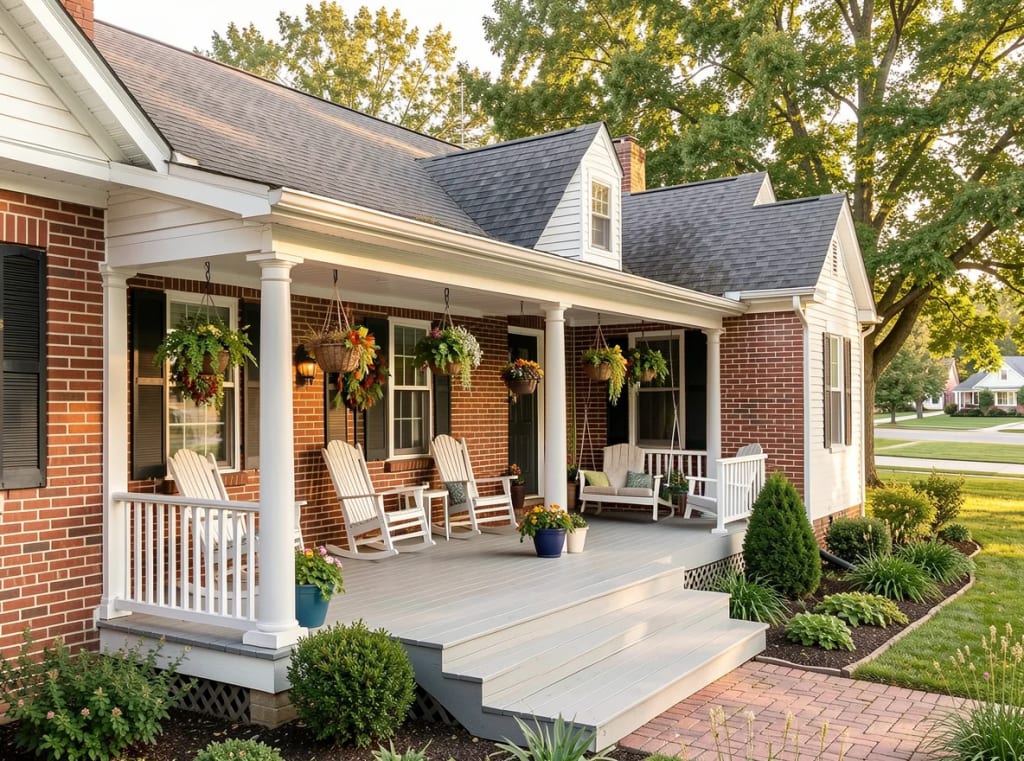
Carlisle’s Small-Town Math: Commutes, Yards, and Value Beyond the Price Tag
Small-Town Value Shows Up in More Than the Asking Price
Some places make their case in a quieter way. In a smaller-town market, buyers often start with the obvious numbers: price, taxes, bedroom count, and monthly payment. Those matter, of course. But the real value conversation usually gets more interesting once you look at how a home supports everyday life—how far you drive, how much outdoor space you actually get, how easy errands feel, and whether the setting still works well for you a few years from now.
That is what makes this kind of market worth a closer look. Many buyers are comparing small-town living against busier, more expensive areas and asking a practical question: what do I gain by choosing a home here instead? The answer is often a mix of breathing room, a steadier pace, and a stronger sense that your budget is buying not just a house, but a more usable lifestyle. When you look beyond the list price, the math can become much more favorable.
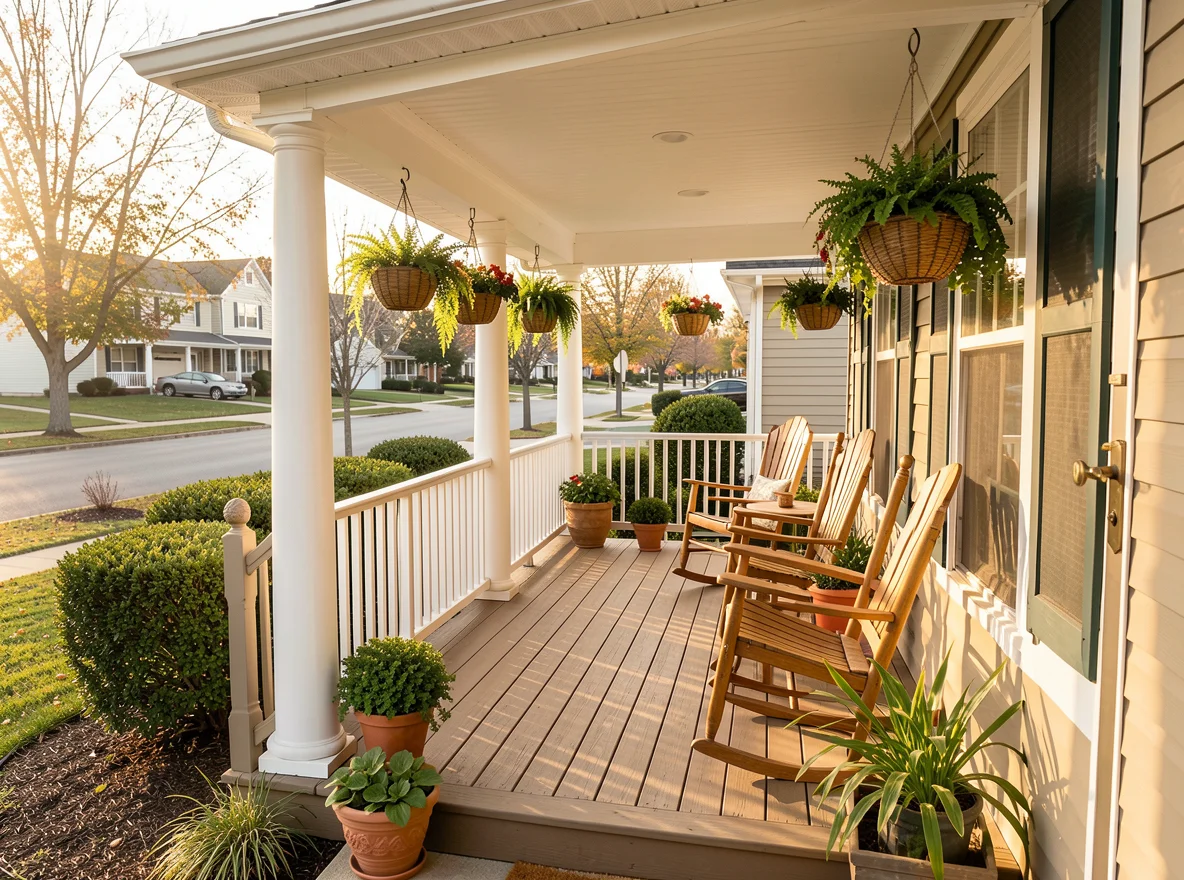
One of the first things buyers notice is space. In many smaller-town communities, it is still possible to find yards that feel useful rather than purely decorative. That can mean room for pets, gardening, outdoor dining, a play area, or simply a little more privacy between homes. Even when the house itself is modest, the lot can add flexibility that is hard to measure on a listing sheet but easy to appreciate once you are living there.
Commute patterns are another major part of the equation. A home is never just the structure itself; it is also the route to work, school, shopping, appointments, and the places you visit every week. In a well-positioned small-town market, buyers may find they can stay connected to regional employers and services without taking on the pace, congestion, or price point of a denser area. That kind of convenience has real value, even if it never appears in a price-per-square-foot comparison.
The town setting matters too. Smaller communities often offer a mix of local businesses, established neighborhoods, civic spaces, and familiar routines that make daily life feel more manageable. The appeal is not only charm, though charm certainly helps. It is also practicality. When a location makes ordinary tasks easier and gives residents a stronger sense of connection to where they live, that can shape how satisfying a home feels long after closing day.
Daily Life Has a Value of Its Own
Buyers sometimes focus so heavily on purchase price that they miss the cost—or benefit—of the surrounding routine. A home that looks affordable on paper can become less attractive if every errand takes extra time or if the location adds friction to the workweek. On the other hand, a property that seems slightly higher in price may deliver better overall value if it simplifies school drop-offs, grocery runs, commuting, and access to services. Ease of living is part of the investment.
That is especially true for buyers who want a market that feels approachable. Smaller-town living often appeals to people who are not just shopping for square footage, but for a better rhythm. They may want a neighborhood where streets feel established, where local businesses are part of the weekly routine, and where the community itself adds something meaningful to the ownership experience. Those benefits are not abstract. They show up in how often you enjoy your home and how well the location continues to serve you over time.
Community resources also deserve attention. Parks, libraries, schools, local events, and everyday gathering places all contribute to whether a town feels functional as well as welcoming. Buyers do not all need the same things, but most appreciate having options nearby. Access to those resources can support both quality of life and long-term market appeal, because future buyers are often looking for the same balance of convenience and connection.
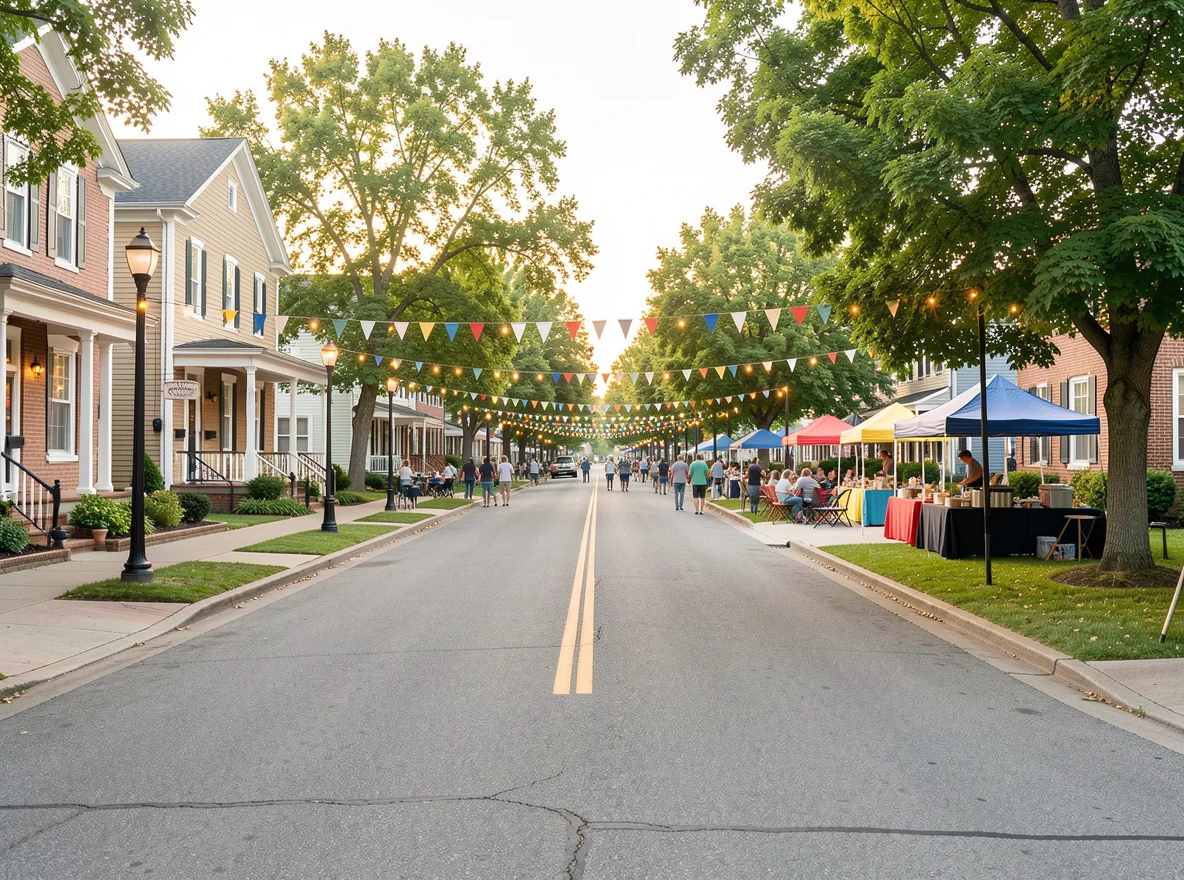
Recreation can be part of that value story as well. Trails, parks, open green space, athletic facilities, and seasonal events give residents reasons to use the place they live rather than simply return to it at the end of the day. In many smaller markets, that access is one of the quiet advantages buyers discover only after they start comparing locations more carefully. It is not always flashy, but it is deeply practical.
Housing variety adds another layer. In a small-town market, buyers may find older homes with character, updated traditional properties, ranch layouts, newer construction on the edges of town, or homes where the lot itself becomes a major selling point. That range creates opportunity, but it also means value can show up in different ways. For one buyer, it may be a shorter drive. For another, it may be a larger yard, less renovation pressure, or a location closer to daily necessities.
For sellers, this is an important reminder. Marketing a home well means showing more than finishes and room count. Buyers respond when they can see how a property fits into real life—how the yard functions, what nearby conveniences matter, and why the location compares favorably with competing options. The strongest presentation helps people understand the full package, not just the asking price.
Better Decisions Start With the Full Picture
Real estate decisions tend to improve when buyers and sellers look past a single headline number. In a smaller-town market, the better question is not just, “What does this home cost?” but also, “What does this home make easier?” A property with more outdoor space, a more efficient location, or a stronger connection to community resources may offer better long-term value than a cheaper option that creates daily inconvenience.
That is why local guidance matters. A knowledgeable real estate professional can help you compare not only prices, but also the less obvious factors that shape satisfaction, resale potential, and day-to-day usability. Whether you are buying your first home, moving for a lifestyle change, or preparing to sell, the smartest strategy is to weigh the full math of the property: cost, setting, convenience, flexibility, and how well the location supports the life you actually want to live.
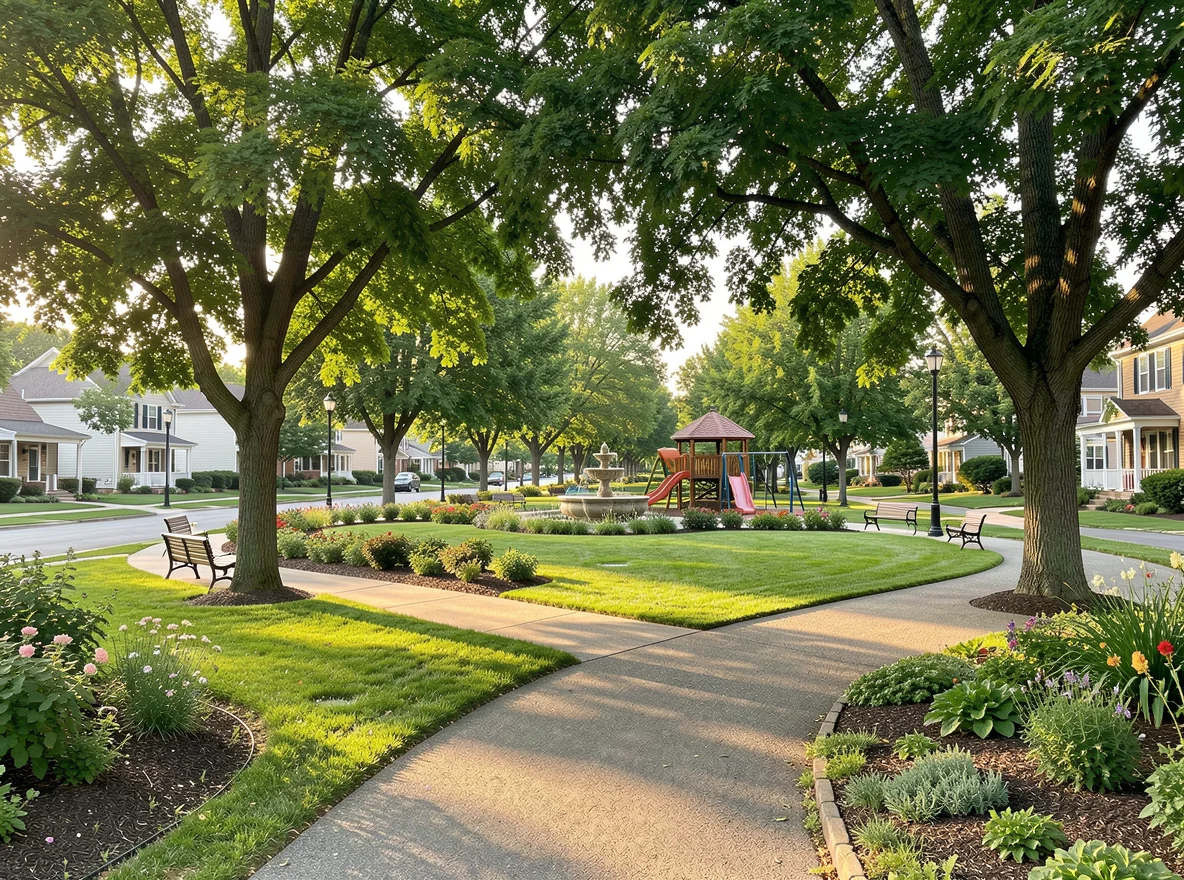
For many buyers, that broader view is exactly what makes a smaller-town purchase feel so compelling. The value is not only in the house itself. It is in the yard you will use, the time you may save, the routines that feel easier, and the sense that your home fits naturally into the community around it. Those are the details that often matter most, and they are usually the ones worth paying attention to first.