Harrisburg Rowhouses to Ranches: How to Read Older Homes Like a Pro
How to Read Older Homes in Your Market With More Confidence
Older homes have a way of drawing people in. It might be the original trim, the established streets, the front porch that feels like it has welcomed generations, or a floor plan that reflects how the home changed over time. In many markets, buyers can tour everything from brick rowhouses and classic colonials to Cape Cods, ranches, and split-level homes in a single weekend. That variety is part of the appeal, but it also means every property tells its story a little differently. Learning how to read that story can help you spot value, ask better questions, and tell the difference between surface-level updates and improvements that truly matter.
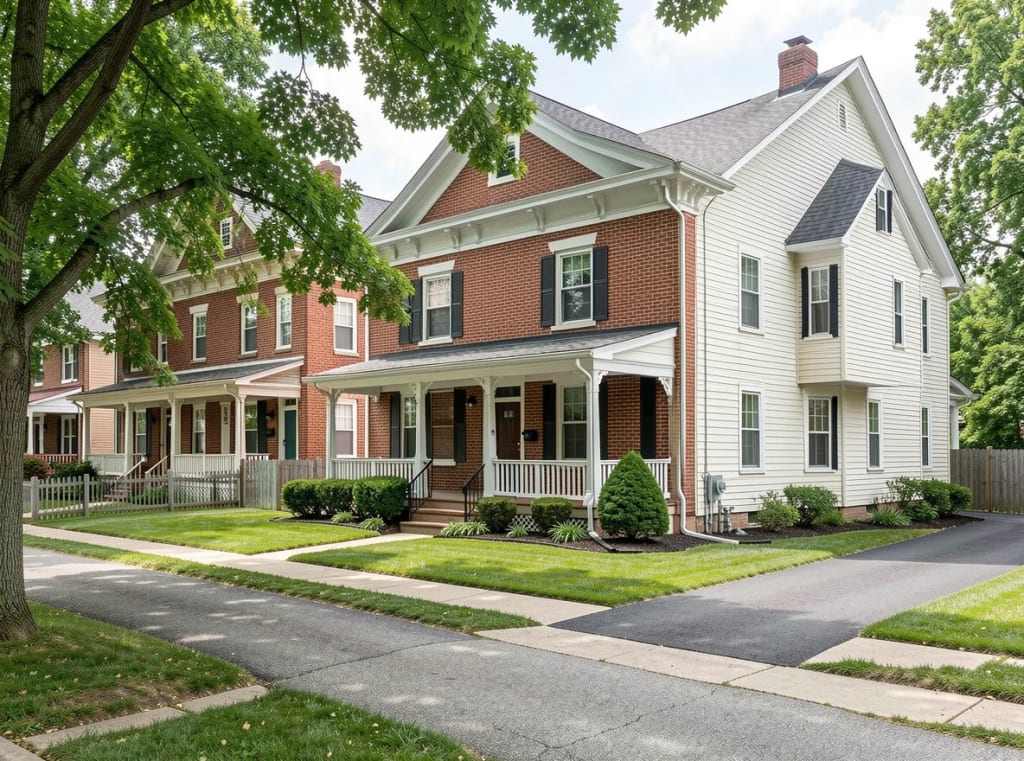
A good place to start is outside, before the interior details steal your attention. Whether you are looking at a rowhouse in a walkable neighborhood or a ranch on a wider lot, the first clues are often visible from the curb. Look for rooflines that appear even, gutters that move water away from the house, windows that seem consistently maintained, and masonry or siding that shows age without obvious active damage. Small cracks can be normal in older homes, but repeated patching, bowing walls, or more pronounced stair-step cracking deserve a closer look.
It also helps to notice how well the home holds together visually and structurally. If there is an addition, enclosed porch, or expanded kitchen, ask yourself whether it feels integrated or improvised. Thoughtful additions often show continuity in floor height, roof connections, window placement, and heating or cooling coverage. If one room feels noticeably colder, more sloped, or disconnected from the rest of the house, that does not automatically make it a bad purchase. It simply means the home may need a little more investigation before you move forward.
Inside, try to separate what is attractive from what is important. Fresh paint and updated fixtures can make a strong first impression, but they do not tell you much about the electrical service, plumbing materials, insulation, drainage, or HVAC condition. In older homes, some of the most valuable improvements are the ones you do not immediately see: updated panels, newer supply lines, sump systems, waterproofing work, ventilation upgrades, and better attic insulation. Those behind-the-scenes improvements often have a bigger impact on comfort, maintenance costs, and long-term flexibility than a stylish backsplash ever will.
What Floor Plans and Details Can Tell You
Layout is one of the quickest ways to understand an older home’s age and how it may function day to day. Rowhouses often make efficient use of vertical space, while ranches usually offer easier one-level living and simpler circulation. Colonials may have more formal room separation, while mid-century homes often lean into larger windows and a more open feel. None of those layouts is automatically better than another. The real question is whether the original design still works well and whether later updates were done thoughtfully.
Pay attention to door widths, stair pitch, ceiling height changes, and bathroom placement. In older housing stock, a bathroom added later can be a major plus, but its location may also reveal how much reworking the home has gone through. A neatly placed powder room can feel seamless. A full bath squeezed awkwardly into former circulation space may suggest compromises in plumbing, ventilation, or flow. The same goes for open-concept renovations. They can be beautiful in older homes, but buyers should still ask what walls were removed and whether structural support was added properly.
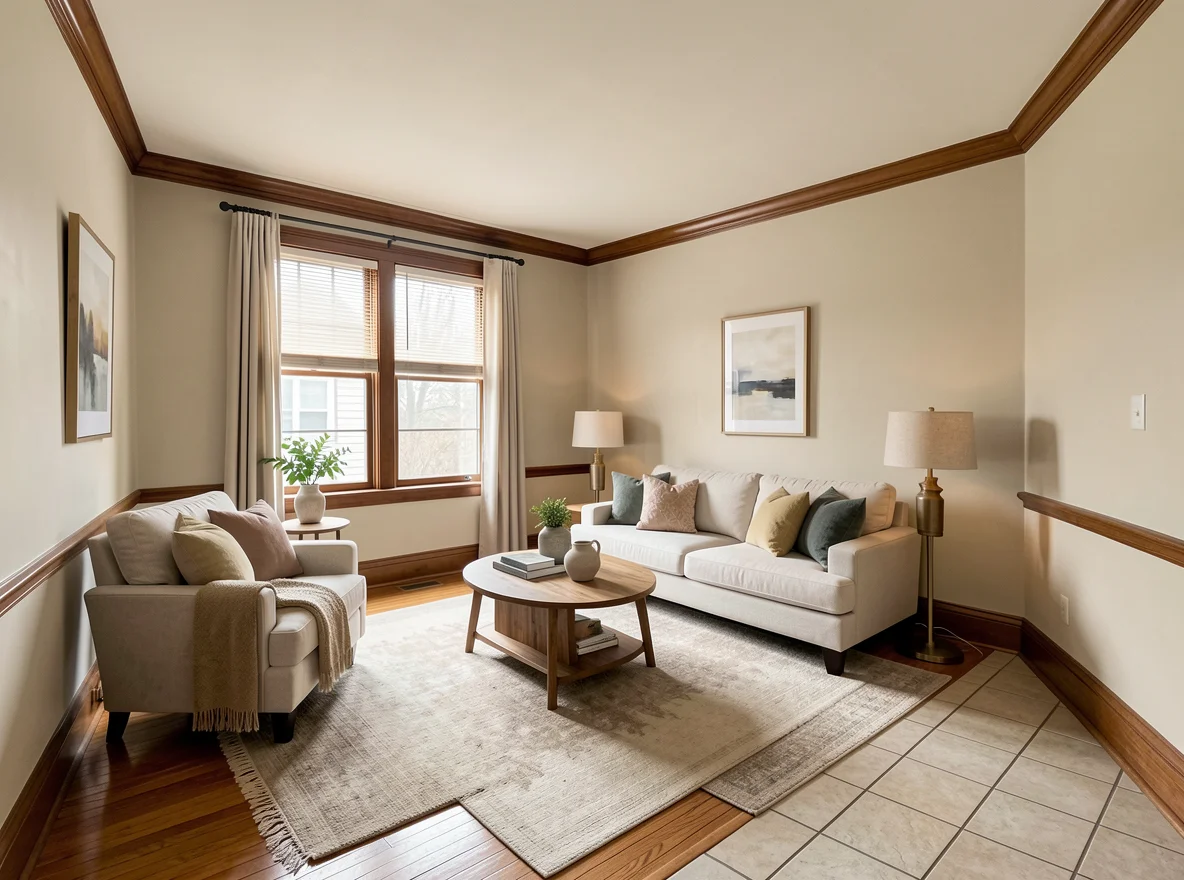
Windows, floors, and trim can also reveal a lot. Original hardwood floors may add warmth and durability, but soft spots near exterior walls or repeated repairs along the same window line can point to older moisture issues. Trim with many layers of paint is common and not necessarily a concern on its own. More important is whether doors close properly, frames appear square, and sills feel solid. These details help you understand whether the home has settled gradually over time or whether movement may still be active.
Then there are the spaces that tend to tell the truth quickly: basements and attics. In the basement, look beyond obvious puddles and watch for signs like efflorescence on masonry, peeling paint near the lower wall line, rusted components, or dehumidifiers working overtime. In the attic, if accessible, pay attention to ventilation, insulation depth, and the condition of the roof sheathing. A beautiful older home with a neglected attic can still come with heat loss, moisture issues, or shortened roof life. On the other hand, a plain attic that is dry, ventilated, and properly insulated is often a very encouraging sign.
As you tour, it helps to think in patterns rather than isolated flaws. One sticky door may not mean much. Several doors that do not latch, paired with sloping floors and repeated wall repairs, tell a more useful story. Older homes reward buyers who stay curious and observant. The goal is not to find perfection. It is to understand what is typical, what has been improved, and what may still need attention.
Why Neighborhood Context Matters Just as Much
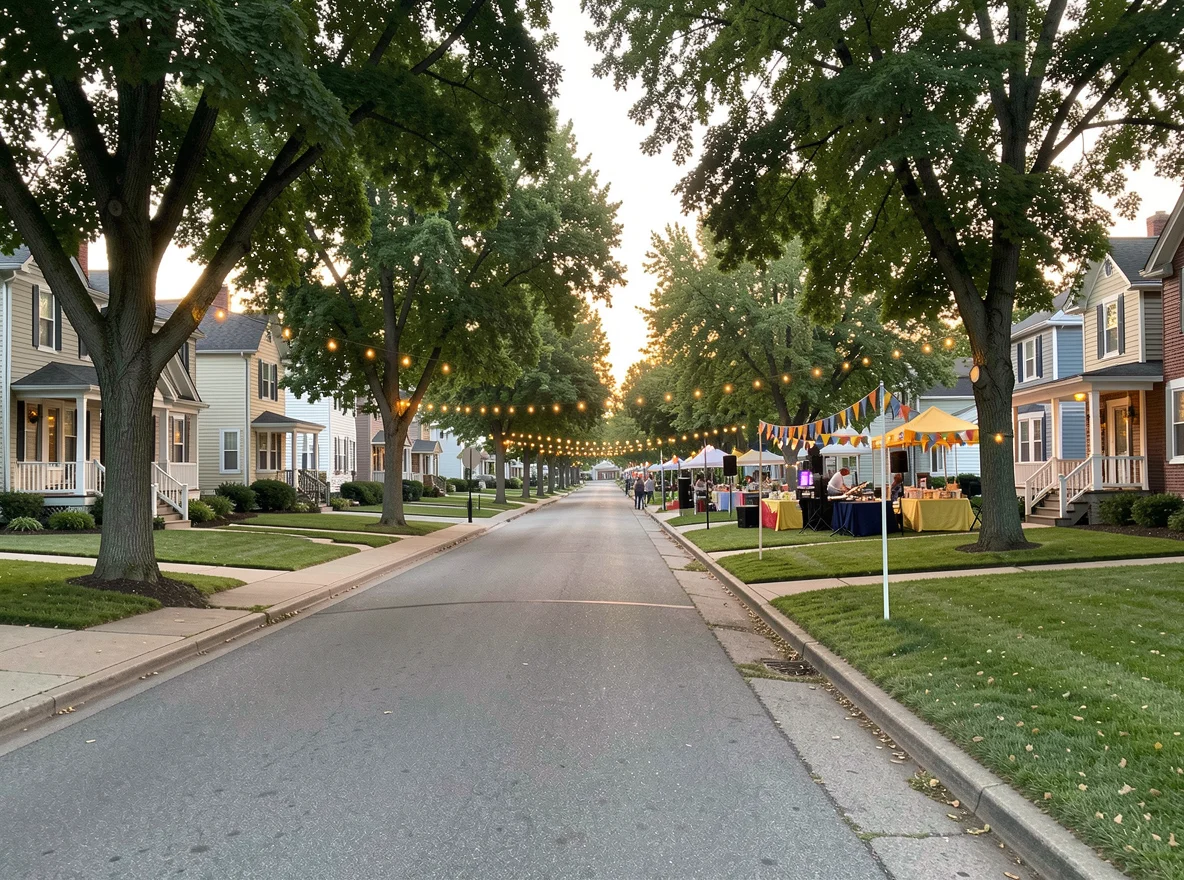
Reading an older home well also means reading the surrounding neighborhood. Similar homes can offer very different ownership experiences depending on block-by-block upkeep, access to commuting routes, nearby parks or business districts, parking arrangements, and the level of reinvestment happening nearby. It is helpful to compare more than list price. Look at renovation quality, lot usability, exterior maintenance patterns, and how often nearby homes change hands. A well-kept home on a block where owners consistently maintain their properties may feel very different from a similar house surrounded by visible deferred maintenance.
This is where local guidance becomes especially valuable. A knowledgeable real estate professional can often recognize which construction styles are common in certain neighborhoods, what inspection issues tend to show up in particular age ranges, and where buyers may want to budget more carefully for future repairs. That perspective can make the process feel less overwhelming. Instead of reacting emotionally to every imperfection, buyers can evaluate tradeoffs more calmly and make decisions based on context.
It is also important to separate the idea of “older” from “problematic.” Many older homes offer craftsmanship, materials, and character that buyers genuinely value. Plaster walls, built-ins, brick facades, old-growth lumber, and thoughtful architectural details can age beautifully when they have been maintained. At the same time, age should encourage careful due diligence. Reviewing disclosures, attending inspections, asking about permits for major renovations, and planning realistically for post-closing maintenance are all part of a smart buying strategy.
If you are weighing charm against cost, try to focus on the items that are hardest and most expensive to correct. A dated kitchen may be easier to live with than a wet basement, aging electrical system, or failing roof. A home with older finishes but strong systems can sometimes be the better long-term choice. Likewise, a beautifully renovated property may still deserve extra scrutiny if the visible improvements seem to outpace the condition of the core components.
Balancing Character, Budget, and Negotiation
Once you understand the home’s story, the next step is deciding which parts of that story fit your budget and goals. A property with cosmetic imperfections but solid mechanical updates may offer more value than one with polished finishes hiding expensive deferred maintenance. The point is not to avoid every flaw. It is to price those flaws accurately and move forward with clear expectations.
That is where your agent or our team can help bring the details into focus. Inspection findings, the age of major systems, and likely near-term repairs all shape what a buyer may reasonably request, negotiate, or plan to absorb after closing. In competitive situations especially, having a practical framework matters. You want to move decisively when the right home appears, but you also want to protect your long-term interests.
In the end, older homes offer more than square footage. They offer texture, history, and a sense of place that newer construction does not always replicate. The best outcomes usually come from a mix of appreciation and discipline: enjoy the original details, ask practical questions, and let the house show you how it has been cared for over time. When you approach older homes with that mindset, you are much more likely to make a decision that feels both exciting and well grounded.