
5 Seller Fixes That Matter Most in Central PA’s $250K-$600K Market
The Seller Fixes Buyers Notice First in Central Pennsylvania
When a home comes on the market in Central Pennsylvania’s mid-range price range, buyers tend to make decisions quickly—but not carelessly. They are paying close attention to condition, presentation, and the kinds of repairs they may need to take on after closing. In the $250,000 to $600,000 range, the homes that create the strongest first impression are usually the ones that feel cared for, steady, and ready for the next owner.
That does not mean you need to take on a major renovation before you list. In many cases, the most helpful updates are the practical ones that reduce buyer hesitation and make the home feel easier to say yes to. A thoughtful pre-sale plan can help you focus your time and money where it matters most, so you can prepare with confidence instead of guessing at what buyers may want.
1. Exterior maintenance and curb appeal
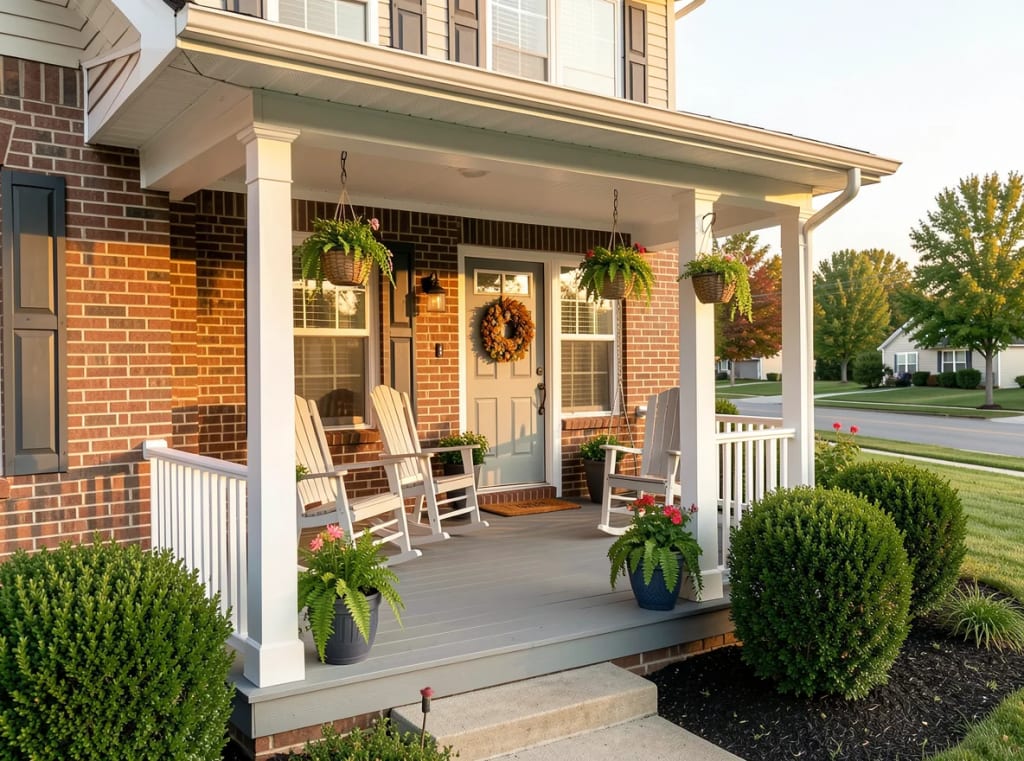
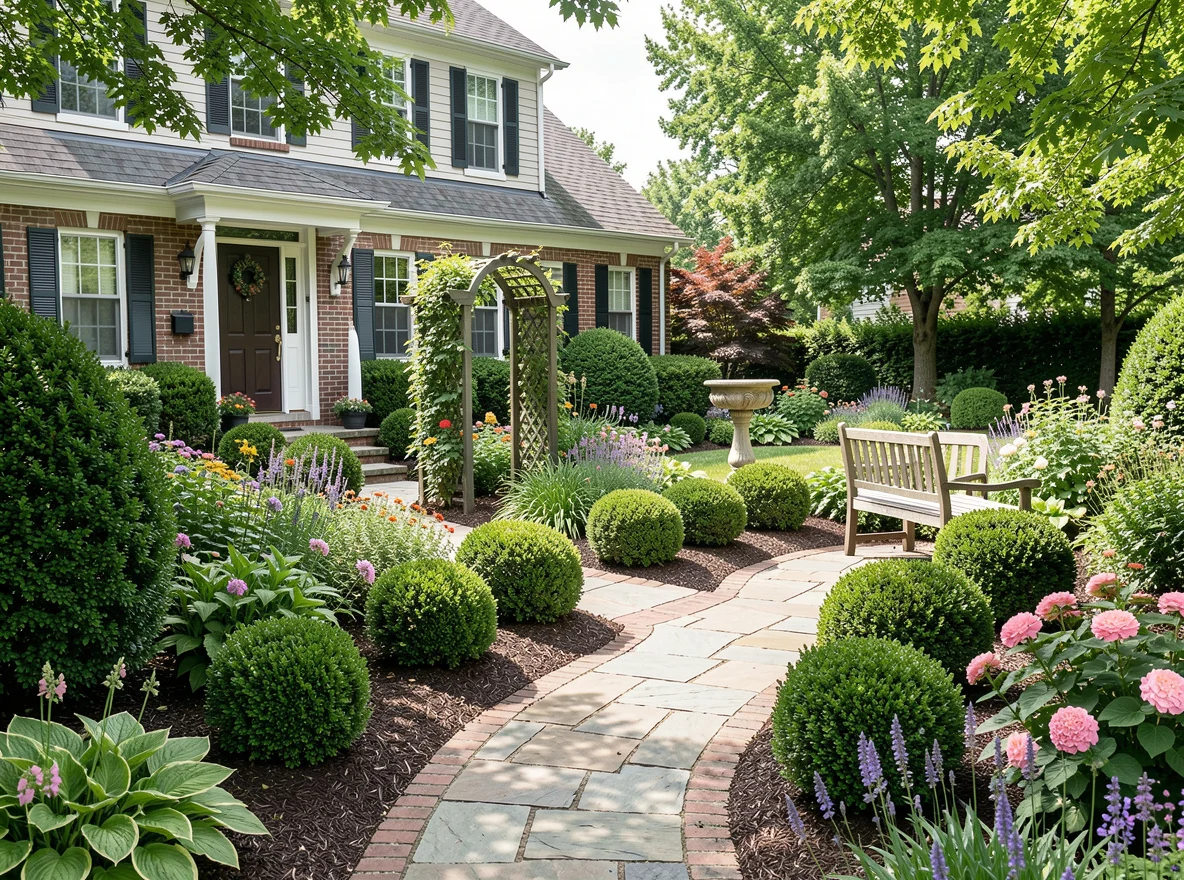
Buyers start forming opinions before they ever walk through the front door. The driveway, front steps, porch, siding, and landscaping all help shape that first feeling. If buyers see peeling paint, overgrown beds, loose railings, stained concrete, or a tired-looking entry, they may begin to wonder what else has been put off over time. On the other hand, a clean exterior and a welcoming approach can immediately make the home feel more trustworthy and better maintained.
The good news is that curb appeal improvements do not have to be expensive to be effective. In this part of the market, sellers often benefit most from simple, visible updates: trimming shrubs, adding fresh mulch, pressure washing walkways, repainting the front door, touching up trim, replacing dated light fixtures, and making sure the path to the home feels neat and secure. These are the kinds of details buyers remember when they compare several homes in one afternoon.
Exterior condition also sets the tone for everything that follows. When the outside looks cared for, buyers often walk in feeling more relaxed and more open to the home overall. That sense of confidence can carry through showings, inspections, and negotiations in a meaningful way.
2. Paint, flooring, and obvious interior wear
Inside the home, the most valuable fixes are often the ones that remove distraction. Scuffed walls, bold paint colors, stained carpet, worn flooring transitions, and damaged trim may feel minor when you live with them every day, but buyers notice them right away. In listing photos and in person, these details can make a home feel like more work than buyers were expecting.
Fresh, neutral paint is one of the most reliable updates because it helps rooms feel brighter, cleaner, and easier to picture as home. Flooring matters just as much. If carpet is heavily worn or carries odor, replacement may be worth considering. If hardwood floors are in decent shape, polishing or refinishing them can make a dramatic difference without changing the character that buyers may already appreciate.
These improvements matter not only during showings, but also online. Many buyers in Central Pennsylvania narrow their list before they ever schedule a visit. Clean finishes and cohesive flooring help your home photograph better, feel more move-in ready, and stand out for the right reasons from the very beginning.
Kitchens and Baths: Focus on Function, Not Over-Renovation
In Central PA’s mid-range market, buyers usually want kitchens and bathrooms that feel fresh and dependable—but they are not always expecting a full luxury remodel. Sellers can easily overspend in these spaces if they assume everything has to be replaced. More often, the better strategy is to refresh what buyers see and use most, while keeping the work aligned with neighborhood expectations.
3. Kitchen updates that improve the everyday feel
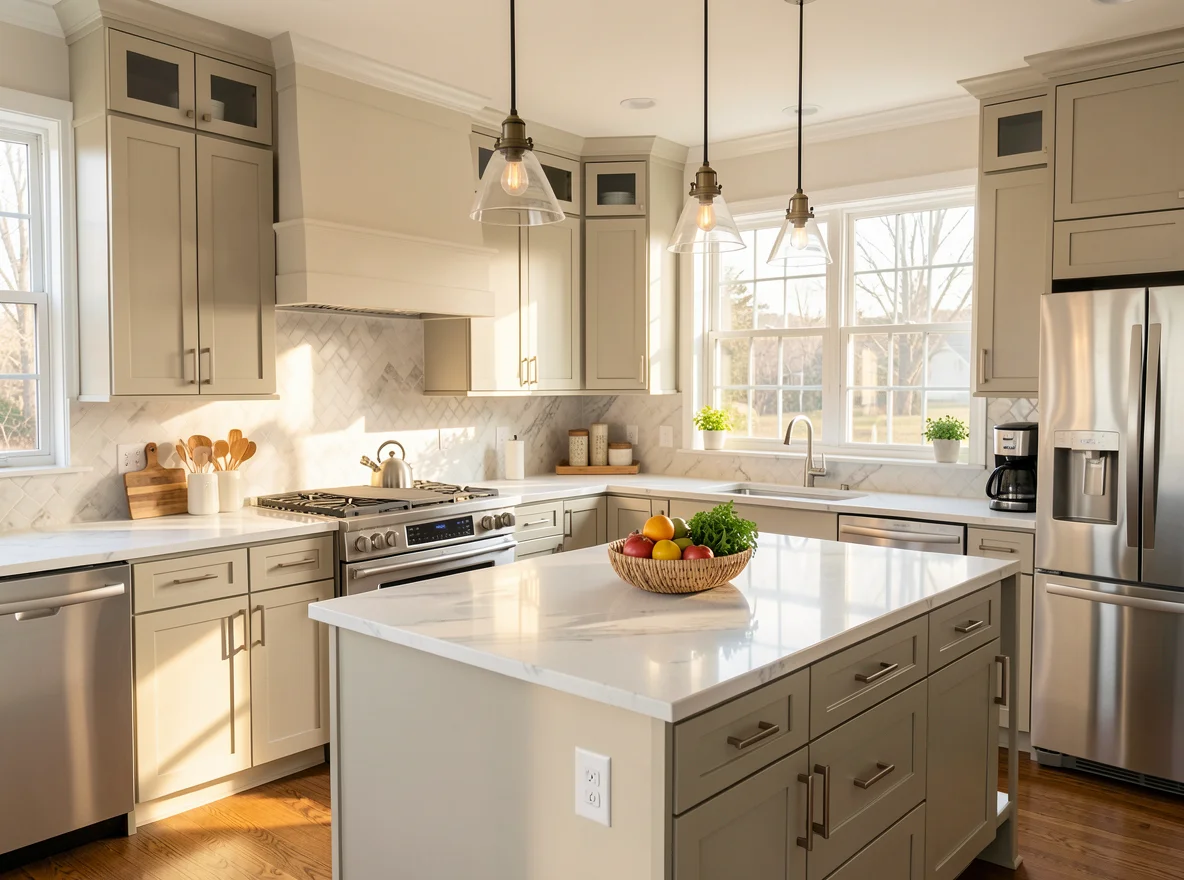
A kitchen does not need to be brand new to make a strong impression. Buyers respond well to spaces that feel bright, clean, and easy to maintain. Painted or refinished cabinets, updated hardware, modern lighting, fresh caulk, and uncluttered counters can quickly change the mood of the room. If appliances are mismatched or one looks especially worn, replacing the most noticeable item may help the entire space feel more consistent.
Countertops and larger upgrades can be worthwhile in some homes, but they should be weighed carefully against likely list price and nearby competition. The goal is not to create the most expensive kitchen in the area. The goal is to help buyers feel that the room is functional, attractive, and not likely to become an immediate project after closing.
Bathrooms follow the same pattern. Regrouting tile, replacing an outdated vanity light, installing a fresh mirror, correcting plumbing drips, and cleaning up worn caulk lines can go a long way. These are reassuring improvements. They tell buyers the home has been looked after, and that message matters just as much as style.
4. Mechanical, roofing, and inspection-related items
Some of the most important pre-sale fixes are the least visible in photos. Roof concerns, plumbing leaks, electrical issues, aging HVAC problems, and broken window seals may not create the same visual impact as cosmetic updates, but they often carry much more weight once buyers begin thinking seriously about an offer. In this price range, buyers are often balancing monthly affordability with future repair costs, so visible system concerns can quickly create hesitation.
That is why it can be wise to address obvious mechanical issues before the home goes live. Servicing the HVAC system, repairing leaks, replacing loose shingles, correcting exposed wiring concerns, and making sure gutters and windows are functioning properly can help reduce surprises later. These repairs may also support a smoother appraisal and inspection process, especially when financing guidelines come into play.
Even if you decide not to replace an older system, clear documentation still helps. Service records, repair receipts, and a simple timeline of updates can give buyers a better sense of the home’s history and care. A house does not have to be perfect to sell well, but buyers do want to feel they understand what they are walking into.
The Fifth Fix Is Clarity: Repair What Creates Doubt
5. Pre-listing fixes that remove uncertainty
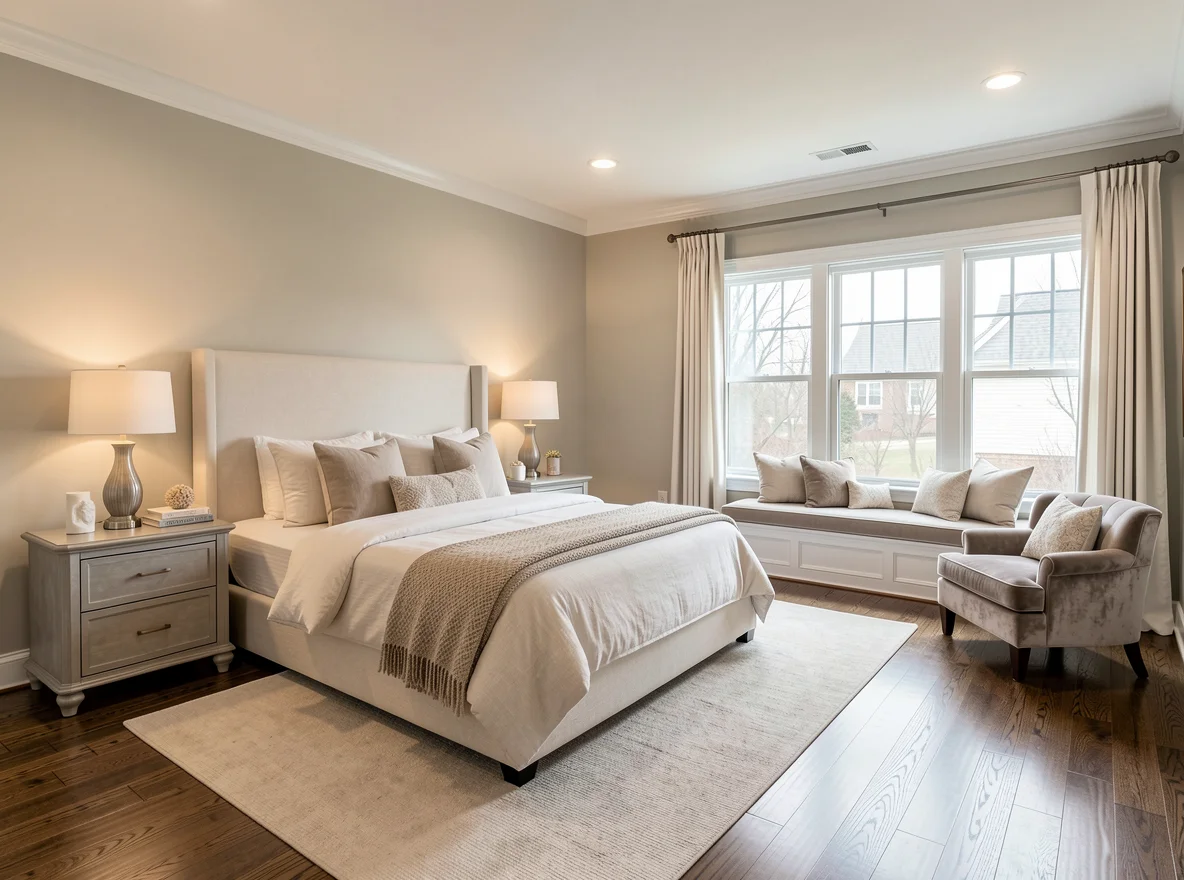
Often, the most valuable work happens in the small details. Sticky doors, cracked outlet covers, loose handles, damaged screens, missing trim, musty storage spaces, dim lighting, and minor cosmetic wear may not seem urgent on their own. But together, they shape how buyers feel as they move through the home. They may not mention every issue out loud, yet they often leave with a clear impression of whether the property feels carefully maintained or full of future to-do lists.
This is where thoughtful guidance can make a real difference. A pre-listing walkthrough with your agent or our team can help you sort out what is truly worth doing, what can be left alone, and where your budget will have the greatest impact. Sellers are often relieved to learn they do not need to fix everything—they just need to address the items that create doubt, distract from the home’s strengths, or invite unnecessary negotiation.
In Central Pennsylvania, homes in the $250K to $600K range often perform best when they combine solid maintenance, clean presentation, and realistic pricing. Buyers are looking for value, but they are also looking for reassurance. When a home feels well cared for and thoughtfully prepared, it becomes easier for buyers to picture themselves moving forward with confidence.
The bottom line: focus on curb appeal, clean interior finishes, practical kitchen and bath refreshes, key mechanical repairs, and the smaller condition issues that make buyers pause. Those five areas consistently matter because they shape how buyers perceive upkeep, cost, and peace of mind. If you are preparing to sell, the right improvements are usually the ones that help your home feel complete, dependable, and ready for its next chapter.