
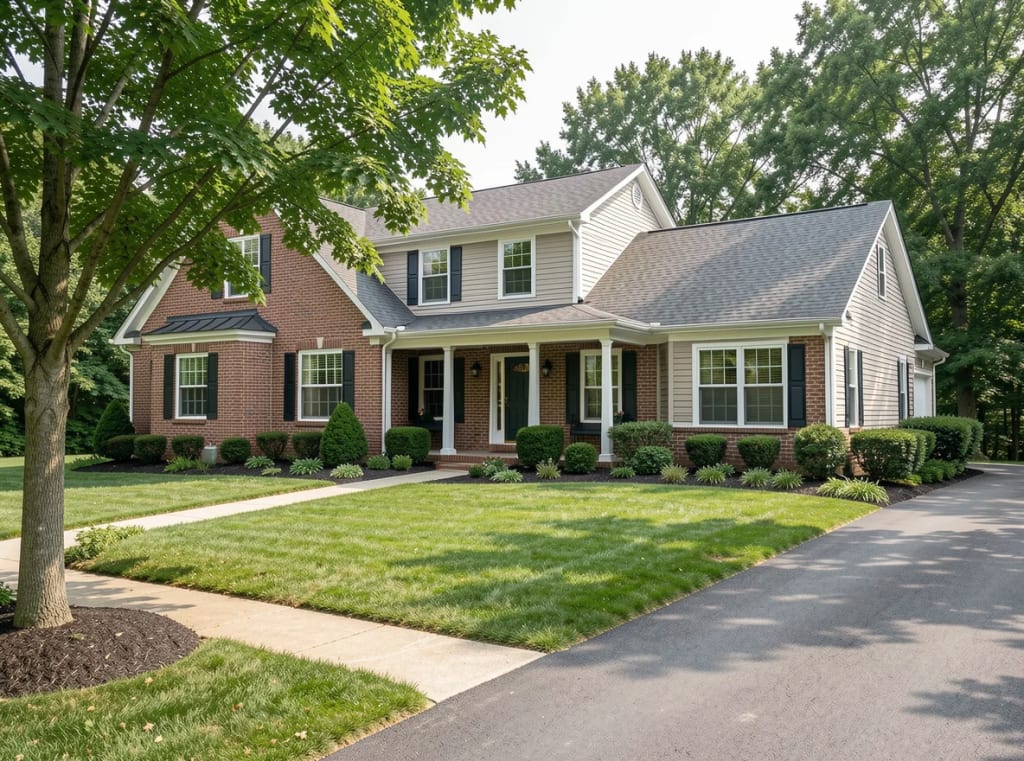
A Seller's Guide to Pricing Your Camp Hill Area Home
Pricing a Home in Your Area Starts With Strategy, Not Guesswork
Set the right price, and the market usually responds quickly. Buyers book showings, questions come in, and early interest builds with less resistance. Price too high, and even a well-presented home can linger, leading to avoidable reductions and unnecessary stress. In many neighborhoods, where home styles, lot sizes, updates, and street-by-street appeal can vary more than sellers expect, pricing is less about choosing an optimistic number and more about reading the market carefully.
That is why effective pricing is both a data decision and a positioning decision. Comparable sales matter, but so do current competition, timing, condition, and how your home is presented online and in person. A home with thoughtful updates and strong curb appeal may compete very differently from a similar property with dated finishes or deferred maintenance. The goal is not simply to start high and negotiate down. The goal is to enter the market at a price that attracts serious attention and supports the strongest possible outcome.

In practical terms, accurate pricing begins with recent comparable sales. The most useful examples are homes that sold recently, are close in location, and share similar size, layout, condition, and features. Sellers may place high value on a renovated laundry room, custom storage, or a finished lower level, but the market may recognize only part of that investment depending on what nearby buyers have recently chosen. Active listings matter too, because they show the alternatives buyers will compare side by side before deciding where to make an offer.
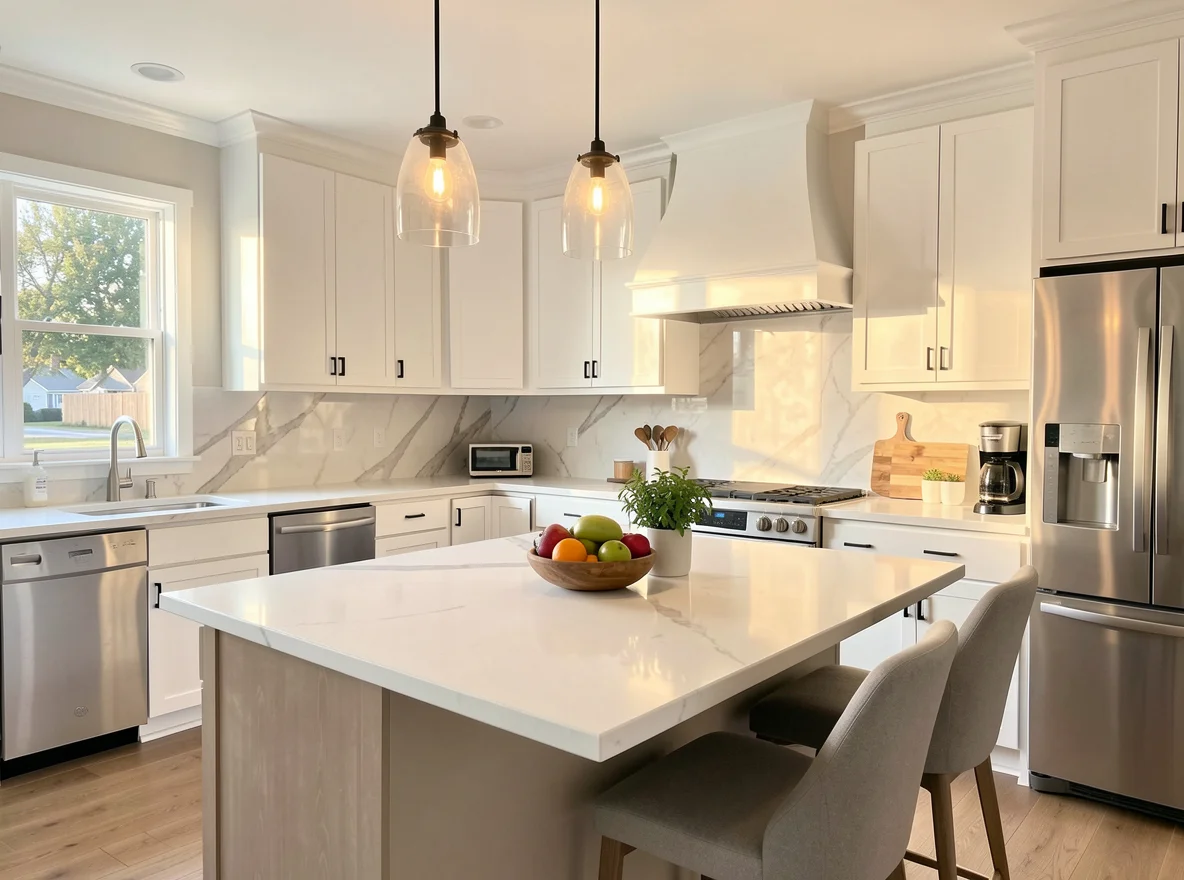
Buyers today often pay close attention to convenience, upkeep, room flow, outdoor usability, and how much work may be needed after closing. That means pricing should reflect not only what the home includes, but also what a buyer is likely to feel during a showing. Fresh paint, updated kitchens or baths, clean landscaping, strong natural light, and polished presentation can support value. On the other hand, dated finishes, visible wear, or a layout that feels less functional may call for a more measured approach.
It also helps to remember that online search behavior shapes early momentum. Many buyers search in round price bands, so a home listed at $399,000 may reach a different audience than one listed at $405,000. Thoughtful pricing can improve visibility without overstating value. The first days on market are often the most important because that is when a listing feels new and attention is naturally highest. If the price misses the mark, the listing can lose energy before the strongest buyers ever step through the door.
How Local Market Conditions Influence Your Number
No price exists in a vacuum. Interest rates, seasonal inventory, buyer confidence, and the pace of recent closings all influence how aggressively a home can be positioned. In a low-inventory environment, sellers may have more leverage if the property is well prepared and marketed effectively. When more homes are competing for attention, pricing discipline becomes even more important because buyers have more options and can quickly move on from a listing that feels out of step with current value.
Seasonality can matter as well. Spring often brings renewed buyer activity and a wave of new listings, while late summer, fall, and winter can create different patterns in demand and competition. That does not mean one season is automatically better than another. It means the pricing conversation should account for how many similar homes are available and how quickly they are moving right now. Smart sellers focus on the current market, not just broad headlines or last year’s conditions.
Local appeal also plays a role. Access to commuter routes, parks, shopping, dining, schools, and established neighborhood character can support demand, but those advantages should be weighed in realistic, market-based terms. Buyers still compare condition, updates, lot utility, taxes, and total monthly cost. A strong pricing strategy brings all of those variables together in a way that feels credible from the first showing forward.
Another common challenge is separating tax assessment, refinance value, and emotional value from actual list pricing. Those numbers may be useful reference points, but they do not replace a fresh market analysis. Sellers naturally remember the money, time, and care they have invested in a home. Buyers, meanwhile, are comparing that property against today’s alternatives. Successful pricing bridges those perspectives by respecting the home’s strengths while staying grounded in current demand.
This is where guidance from your agent or our team can make a meaningful difference. A professional who studies local inventory, understands appraisal logic, and knows how buyers are responding in real time can help identify the pricing range most likely to generate action. Supportive advice matters here. Sellers need clear information, honest feedback, and a strategy that balances confidence with flexibility rather than pressure or guesswork.
A Smart Price Supports Better Negotiation
Some sellers worry that pricing realistically means leaving money on the table. In many cases, the opposite is true. A well-priced home can attract stronger interest, create urgency, and put the seller in a better negotiating position. More showings often produce more feedback, and in the right conditions, stronger exposure can lead to cleaner offers with better terms. By contrast, an overpriced listing may invite lower offers later because buyers assume adjustments will eventually be necessary.
Pricing strategy should also account for the full offer, not just the highest number. Closing timeline, financing strength, inspection terms, contingencies, and requested concessions all affect net proceeds and the overall smoothness of the transaction. A skilled agent helps sellers weigh those variables carefully. Sometimes the best offer is not the first one to stand out, and sometimes a slightly lower price with stronger terms creates a better result overall.
Before listing, it is worth taking one final walk through the home with a simple question in mind: what will buyers notice first, and where might they hesitate? Small repairs, decluttering, sharper staging, and stronger photography can reinforce the chosen price. When preparation and pricing align, the property feels coherent to the market. Buyers understand what they are seeing, and they are more likely to act with confidence.

For sellers in your market, the best pricing plan is usually one that is honest, competitive, and responsive to market feedback when needed. That does not mean reacting emotionally to every comment. It means watching showing activity, buyer questions, agent feedback, and comparable movement during the first critical weeks. If the market confirms the price, momentum builds. If not, timely adjustments can preserve opportunity and keep the listing moving in the right direction.
Ultimately, pricing is the foundation of the entire sale. It influences marketing response, showing volume, negotiating leverage, and final proceeds. With disciplined analysis, strong presentation, and experienced representation, sellers can move forward with more clarity and less uncertainty. If you are preparing to sell, a detailed pricing conversation with your agent or our team is one of the most valuable first steps you can take, and it can shape everything that follows for the better.